Energy-Saving Smart Gadgets That Cut Bills in Half
Rising energy costs have pushed homeowners to look for innovative ways to reduce their monthly bills without sacrificing comfort or convenience. In 2025, the Smart Home & Automation industry offers a variety of energy-saving gadgets designed to optimize power usage, automate efficiency, and make eco-friendly living easier than ever. These devices not only help you save money but also contribute to a more sustainable lifestyle. This guide explores the best smart gadgets that can significantly lower your utility costs.
Why Energy-Saving Smart Gadgets Matter
Energy-efficient technology has evolved from basic programmable devices to intelligent systems capable of learning your habits and adjusting automatically. Today’s smart gadgets are equipped with AI, sensors, and connectivity that allow them to operate only when needed and at optimal levels. With many households using multiple connected devices, integrating energy-saving tools into a Smart Home & Automation setup is both a cost-saving and environmentally responsible decision.
1. Smart Thermostats
Smart thermostats such as the Google Nest Learning Thermostat and Ecobee SmartThermostat have become essential for reducing heating and cooling costs. These devices learn your temperature preferences and daily routines, adjusting automatically to save energy when you’re not home. Many models integrate with weather data to optimize HVAC usage, and they can be controlled remotely via smartphone apps. On average, they can reduce heating and cooling costs by up to 20%.
2. Smart Lighting Systems
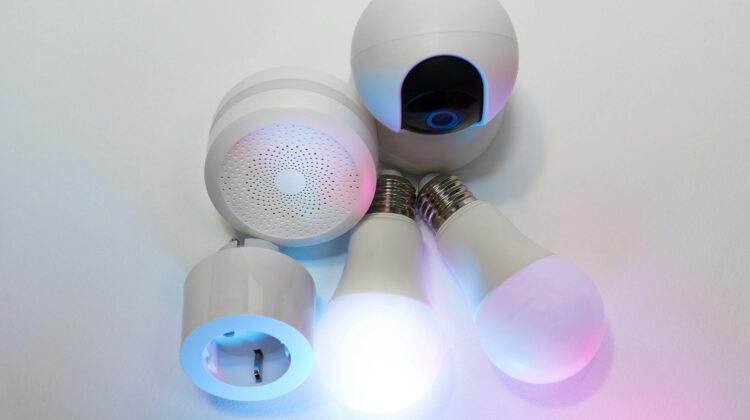
Lighting accounts for a significant portion of household energy usage, and smart lighting systems like Philips Hue and LIFX can cut this down dramatically. These systems allow you to schedule lights to turn off when not in use, adjust brightness levels, and even change color temperature to reduce strain on the eyes. Motion sensors and occupancy detection ensure lights only stay on when someone is in the room, preventing unnecessary waste.
3. Smart Power Strips
Vampire power—energy used by electronics even when turned off—can account for up to 10% of your electricity bill. Smart power strips from brands like TP-Link Kasa and Belkin Wemo automatically cut power to devices in standby mode. You can schedule power usage for different outlets and monitor energy consumption in real time, making them a must-have in any Smart Home & Automation setup.
4. Smart Plugs
Smart plugs, such as those from Meross and Amazon, allow you to control the power supply to appliances remotely. They help reduce wasted electricity from devices left on accidentally. Some models also provide energy monitoring so you can track and manage the usage of specific appliances, helping you identify the biggest energy culprits in your home.
5. Energy-Monitoring Systems
Whole-home energy monitoring devices like Sense and Emporia Energy track your home’s electricity usage in real time. These systems can identify which appliances are using the most energy and suggest ways to reduce consumption. By integrating these monitors into your Smart Home & Automation network, you can create automated routines to switch off high-energy devices during peak hours.
6. Smart Window Shades
Heating and cooling costs are often impacted by sunlight exposure. Smart window shades from brands like Lutron and IKEA automatically adjust based on the time of day, temperature, and sunlight intensity. They can keep your home cooler in summer and warmer in winter without overworking your HVAC system, ultimately lowering your energy expenses.
7. Smart Water Heaters
Water heating is another major energy cost for many households. Smart water heaters from Rheem and AO Smith allow you to set schedules, monitor usage, and receive alerts for maintenance. By heating water only when needed, these devices can significantly cut energy costs without affecting your comfort.
8. Energy-Efficient Smart Appliances
Many modern smart appliances, from refrigerators to washing machines, are designed with energy efficiency in mind. For example, smart washing machines can detect load sizes and adjust water and power usage accordingly, while smart fridges optimize cooling cycles. Pairing these appliances with your Smart Home & Automation system allows for better control and scheduling.
9. Smart Irrigation Systems
Outdoor water usage also impacts your utility bills. Smart irrigation systems like Rachio use weather forecasts and soil moisture data to water lawns only when necessary. This not only reduces water waste but also saves the energy used in water pumping and distribution.
10. Solar-Powered Smart Devices
Incorporating solar-powered smart gadgets—such as security cameras, outdoor lights, and chargers—reduces dependence on grid electricity. Solar-powered smart products have become more efficient and affordable, making them a valuable addition to any energy-conscious home.
Trends in Energy-Saving Smart Technology for 2025
Several trends are shaping the energy-efficient tech market this year:
- AI-Driven Optimization: Devices that learn from your habits and adjust automatically for maximum efficiency.
- Integration with Renewable Energy: Seamless compatibility with solar panels and home battery systems.
- Matter Protocol Support: Improved interoperability between devices from different brands.
- Enhanced Energy Reporting: More detailed insights into consumption patterns for better decision-making.
- Sustainable Materials: Eco-friendly manufacturing processes and recyclable components.
Tips for Maximizing Savings with Smart Gadgets
- Combine multiple energy-saving devices for a cumulative effect.
- Use automation routines to ensure devices operate only when needed.
- Monitor energy usage regularly and adjust settings based on seasonal needs.
- Take advantage of off-peak electricity rates by scheduling high-energy tasks during those times.
- Keep firmware updated to access the latest efficiency features.
Why Energy-Saving Gadgets Are a Strong Affiliate Opportunity
For affiliate marketers, promoting energy-saving smart gadgets has high earning potential. These products appeal to a wide audience—from tech enthusiasts to eco-conscious consumers—and often lead to follow-up purchases. A customer who buys a smart thermostat may also invest in smart plugs, lighting, and energy monitoring systems, providing opportunities for cross-selling within the Smart Home & Automation category.
Final Thoughts
Energy-saving smart gadgets in 2025 offer more than just convenience—they provide tangible financial benefits and promote sustainable living. From smart thermostats and lighting systems to solar-powered devices and energy monitors, the options are diverse and highly effective. By incorporating these tools into your Smart Home & Automation setup, you can reduce your bills by up to 50% while enjoying a more comfortable, efficient, and environmentally friendly home. As technology continues to evolve, investing in these gadgets is not just a smart choice—it’s a forward-thinking step toward a greener future.